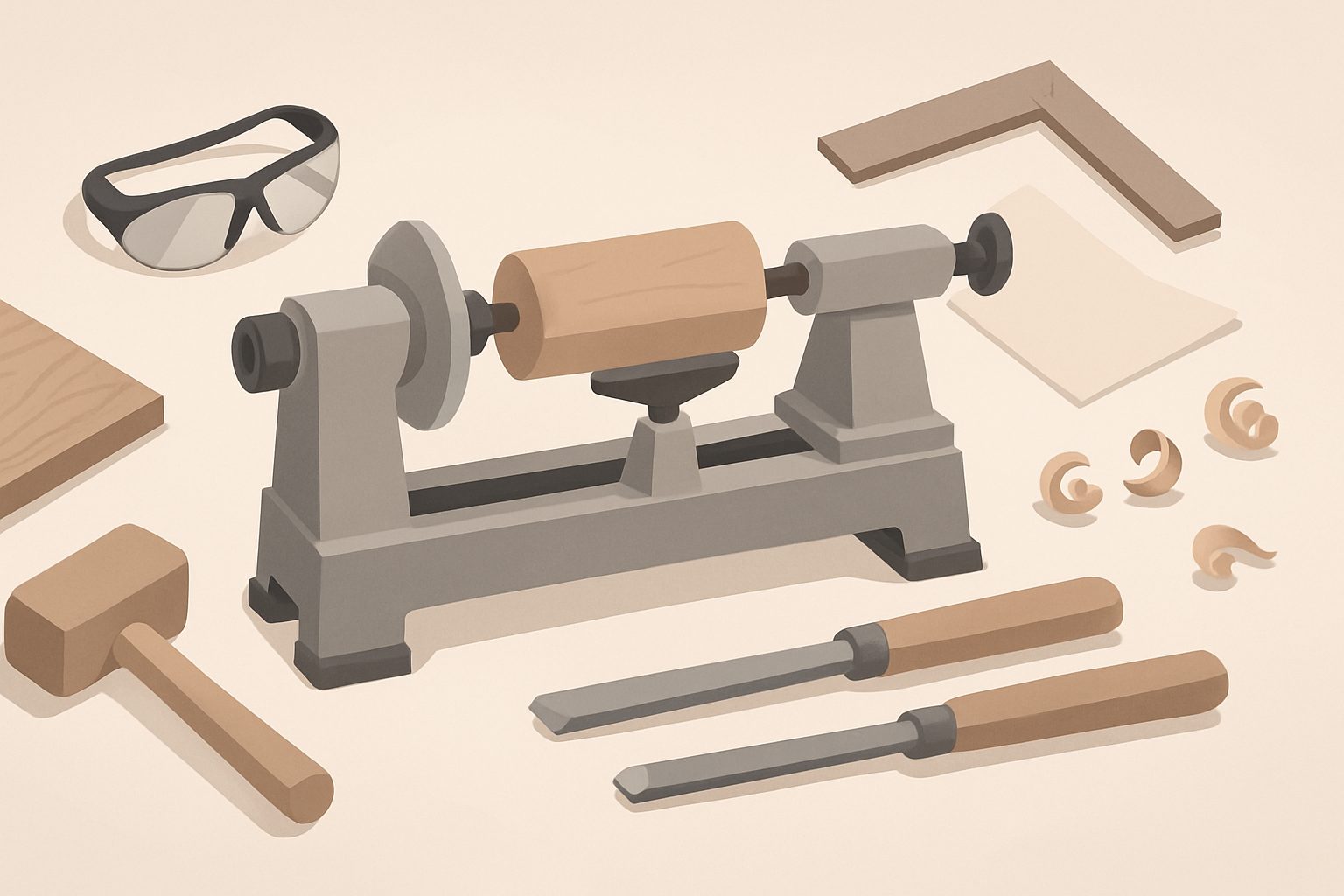
Buying a Second-Hand Wood Lathe UK – What to Inspect Before You Pay
Second-hand wood lathes offer genuine value. A £800 lathe from ten years ago often works as well as when it left the factory, and you'll find models no longer in production at a fraction of their original cost. But you can also inherit someone else's problems: a worn headstock, a seized tailstock, or hidden damage that costs more to fix than the machine is worth. A thorough inspection before handing over cash saves frustration and money.
Why Second-Hand Lathes Make Sense
Woodturning lathes are simple machines. No computer boards, no software updates, no planned obsolescence. A Myford or Record lathe from the 1980s will still cut wood accurately if it's been looked after. This longevity means buying used doesn't carry the same risk as, say, a second-hand laptop. You're mostly buying wear and cleanliness, not hidden electronic failure.
That said, some lathes have been worked hard, stored damp, or badly maintained. A few cost nothing to fix. Others need £500+ of repair before they're reliable again. The inspection is your insurance against the latter.
The Pre-Visit Check
Before driving to view a lathe, ask the seller:
- How long have they owned it?
- What condition is the motor in? Does it start immediately?
- Are there any stuck spindles or seized parts?
- What's included—chuck, tailstock, toolrest, drive belt?
- Why are they selling?
A vague answer to any of these is a yellow flag. Sellers who've actually used their lathes usually give direct answers.
On-Site Inspection
Spindle play. This is the most important check. Spin the headstock spindle by hand (unplug the lathe first). It should rotate smoothly with minimal resistance. Feel for side-to-side movement at the nose—hold the spindle and gently try to wobble it. A small amount is normal in old machines, but more than 1-2mm of lateral play usually means worn bearings. Replacing headstock bearings costs £100–300 depending on the lathe model.
Listen to the spindle as it slows. Grinding, squeaking, or rough texture suggests rust or contamination inside. That's a repair job.
Bed alignment and wear. Look down the bed from both ends. It should be straight, not twisted or sagging. Run your hand along the bed rails—they'll have wear grooves, but these shouldn't be jagged or deep enough to catch your fingernail. Severe wear means the tailstock won't stay aligned and turning accuracy suffers. This isn't usually fatal, but it limits what you can do. Light wear is fine; heavy wear on an inexpensive lathe might not be worth it.
Tailstock function. Slide the tailstock along the bed. It should move smoothly without binding. Check that the quill (the spindle inside the tailstock) extends and retracts smoothly. Stuck or grinding quills are common; they can be freed with penetrating oil and patience, but if it's seized solid, budget for a rebuild.
Motor and electrics. Ask the seller to start the lathe. The motor should spin up smoothly without grinding noise. Listen for unusual sounds—a grinding or squealing motor suggests bearing trouble. Turn it off after 10–15 seconds; don't run an unfamiliar machine for long without supervision. Check the power cable for damage and that the plug is a genuine UK three-pin (not an adapter from a three-phase machine).
Chuck and toolrest. Spin any chuck by hand. It should turn freely. Check that chuck jaws operate smoothly—a stuck jaw is annoying but usually fixable. The toolrest should clamp firmly without wobbling and shouldn't be bent. A bent toolrest can be straightened by a metal fabricator for £30–50, so don't rule out a lathe for this alone.
Cosmetics don't matter. Rust surface, peeling paint, and dust don't affect how the lathe works. What matters is corrosion that's eaten into bed rails or headstock castings. Light surface rust is cosmetic; deep pitting is damage.
Missing parts. Note what's missing—a spur drive, a chuck, the original manual. Some are easy to source and cheap; others are harder. Factor the cost into your offer.
The Test Run
If the seller agrees, do a short test. Tighten a small piece of scrap in the chuck, bring the toolrest up, start the lathe at low speed, and hold a pencil against the spinning wood. Don't turn anything—you're just checking that the headstock is stable and the tailstock aligns properly. If the pencil vibrates noticeably, there's play somewhere. Stop immediately.
Where to Buy Used in the UK
eBay. Largest selection, but postage is expensive for heavy lathes. Best for smaller machines under 500kg.
Gumtree. Local sellers, no postage headache, easier to visit and inspect.
Lathes.co.uk and specialist woodturning retailers. Some stock used machines or can point you toward auctions and private sales. Prices are often higher, but machines are usually serviced.
Woodturning clubs and forums. Local clubs sometimes know of lathes for sale and can vouch for condition.
Auction sites. House clearance and industrial auctions sometimes have lathes. Condition varies wildly and you often can't inspect beforehand.
Red Flags That Mean Walk Away
- Seized spindle that won't move by hand.
- Headstock casting cracked or heavily corroded.
- Motor that won't start or makes grinding noises.
- Tailstock that can't be aligned with the headstock bed.
- Severe rust inside the headstock (indicating water damage).
These are expensive repairs or signs the machine was neglected badly.
Negotiate the Price
If you've found minor issues—light rust, a missing drive belt, cosmetic damage—use them to negotiate. A worn bearing or misaligned bed is more serious; these justify a bigger discount or walking away.
Final Thought
A well-maintained second-hand lathe is a better investment than a cheap new one. But patience matters. If this lathe doesn't feel right during inspection, another will come up next week. Buy with confidence, not pressure.
More options
- Wood Lathes – General (Amazon UK) (Amazon UK)
- Record Power Wood Lathes (Amazon UK) (Amazon UK)
- Jet Wood Lathes (Amazon UK) (Amazon UK)
- Wood Lathe Chucks & Jaw Sets (Amazon UK) (Amazon UK)
- Woodturning Chisel & Tool Sets (Amazon UK) (Amazon UK)